

Choosing between Austin and a nearby suburb is not simply a question of city energy versus more space. Compare five practical numbers—purchase price, property taxes, commute time, monthly ownership costs, and resale competition—to understand how each location may fit your budget and daily routine. The most useful answer usually comes from looking at the full monthly picture rather than one headline price.
Start With the Numbers That Shape Daily Life
Austin-area buyers often begin with a map, then quickly discover that a few miles can change the purchase price, tax bill, lot size, travel pattern, and inventory choices. A home in central Austin and a home in Cedar Park, Leander, Round Rock, or Georgetown can each offer compelling advantages, but comparing them requires more than browsing listing photos. A clear side-by-side worksheet keeps the decision grounded in current data and personal priorities.
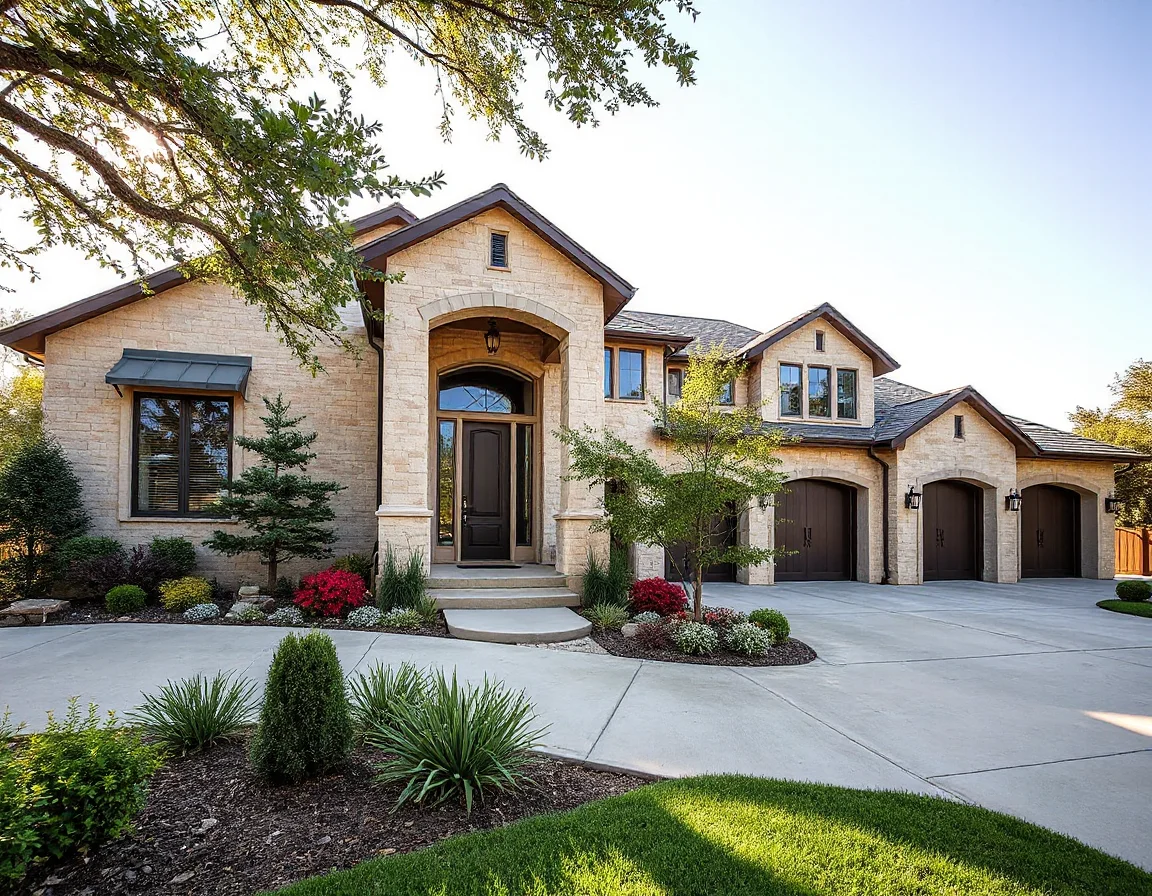
Number one: the total purchase price. This is the obvious comparison, but it should be more specific than an area’s median price. Pull together active homes with a similar bedroom count, interior size, condition, lot type, and HOA structure. In Austin, prices can vary substantially between neighborhoods because of proximity to employment centers, parks, transit options, established housing stock, and new construction. Nearby cities may offer a different mix of square footage, lot configurations, and recently built homes at the same budget.
Rather than asking which place is “cheaper,” ask what the same approved price range buys in each location today. Compare at least five to ten active listings in each area, then note which features are truly important: a dedicated work space, outdoor area, storage, renovation needs, or access to major roads. Inventory changes quickly, so a current search is more useful than a broad average pulled from an older market report.
Number two: the property-tax estimate. Texas property taxes are an important ownership cost, and tax rates can differ by taxing jurisdiction even when homes are close together. The prior year’s tax bill on a listing is a helpful starting point, but it is not a guaranteed future bill. A purchase can trigger a new assessed value, exemptions may affect one owner differently than another, and local rates can change.
A home with a lower list price is not automatically the lower monthly-cost option. Compare estimated principal, interest, taxes, insurance, HOA dues, and any applicable special assessments on the same worksheet.
Number three: the real commute time. Austin traffic patterns are shaped by time of day, roadway construction, hybrid schedules, and where daily trips actually occur. Test routes from candidate homes to workplaces, regular appointments, the airport, favorite recreation areas, and other destinations you expect to visit. Run the check on a weekday morning and afternoon, not only on a quiet weekend.
A longer drive may be worthwhile for a larger home, a newer property, or a preferred layout. On the other hand, a shorter routine can have value that never appears on a listing sheet. The goal is not to rank one area above another; it is to understand the tradeoff in minutes, fuel, tolls, vehicle use, and flexibility. If transit, cycling, or walking are part of your routine, evaluate those routes separately instead of assuming they mirror driving time.
Look Beyond the List Price
Number four: the monthly ownership cost. A lender’s estimated payment is valuable, but buyers should add the expenses that make a home function over time. In addition to principal and interest, include property taxes, homeowners insurance, HOA dues, utilities, lawn care or exterior maintenance, and a reserve for repairs. Newer homes may have different maintenance patterns than older homes, while a condominium or townhome may include some services through association dues.

Insurance deserves special attention. Ask for an estimate early, particularly when comparing homes with different ages, roof materials, locations, or construction styles. The same is true for utilities: a larger house, pool equipment, older windows, or a more exposed lot can affect seasonal costs. Sellers’ disclosures, utility-history information when available, HOA documents, and inspection findings can help turn estimates into more informed questions.
When reviewing HOA dues, look at what is actually included rather than focusing only on the monthly amount. Some associations maintain shared landscaping, amenities, exterior elements, or common areas; others have more limited responsibilities. Review the governing documents, current budget, reserve information, rules, and any known assessments during the option period or applicable review window. This is particularly important in communities with shared infrastructure or newer development phases.
Number five: comparable resale competition. No one can predict a future market precisely, but buyers can evaluate the types of homes likely to compete with theirs later. Consider the number of similar properties currently for sale, how long comparable homes have been taking to sell, and whether new construction nearby may offer alternatives. A distinctive floor plan, well-maintained condition, useful storage, practical parking, and a functional outdoor area can all influence how a property stands out.
For central Austin homes, resale competition may involve varied architectural eras and renovation levels. In surrounding communities, buyers may be comparing newer neighborhoods, builder inventory, or homes with similar plans. Neither scenario is automatically better. The key is understanding the nearby alternatives and avoiding a purchase decision based solely on the assumption that one zip code will always outperform another.
Build a Comparison That Fits Your Priorities
A simple scoring sheet can make the choice much clearer. Create one column for each home or area and list the five numbers: purchase price, estimated annual property taxes, typical trip time, estimated monthly ownership cost, and supply of comparable homes. Then add your own factual preferences, such as access to trails, proximity to parks, dining options, healthcare facilities, major roadways, or a preferred style of home.
Give each category a weight based on its actual importance. Someone with a fixed monthly budget may give ownership costs the highest weight. Another buyer may prioritize a short trip to a particular workplace or needs a layout that reduces future renovation plans. This process prevents a single attractive feature—whether it is a dramatic kitchen, a large yard, or a lower list price—from overwhelming the broader financial picture.
It also helps to revisit the numbers after an offer is accepted. The inspection, appraisal, title review, insurance quote, and lender updates may refine the original estimate. That is normal. A well-prepared buyer treats these steps as an opportunity to confirm assumptions, ask targeted questions, and make decisions with the most current information available.
Compare locations using the same assumptions: identical loan terms, the same down payment, current tax estimates, and realistic travel times. Consistent inputs reveal the meaningful differences.
Austin and its surrounding communities offer a wide range of housing styles, local amenities, and access patterns. The strongest choice is not necessarily the closest, newest, or lowest-priced property—it is the one whose five key numbers align with your finances, routine, and long-term plans. Taking time to compare the complete picture can make the search more focused and the final decision more confident.