
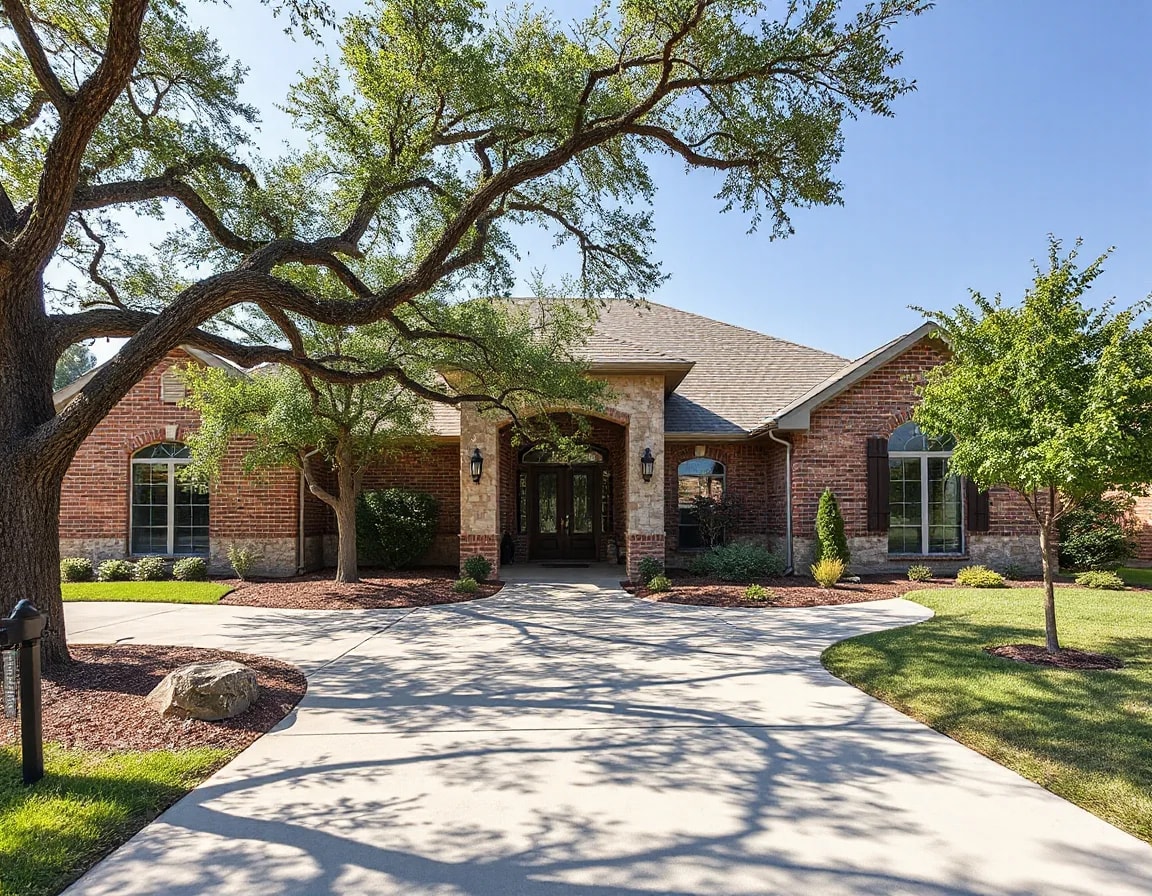
Renting and buying are not opposing “right” and “wrong” choices in Central Texas; they are financial and practical decisions shaped by timing, flexibility, savings, and the kind of home search you want to undertake. A clear comparison can help you evaluate monthly costs, long-term goals, and the local market without relying on one-size-fits-all advice.
Start With the Life of the Home, Not Just the Payment
Central Texas offers a broad range of housing options, from apartments near Austin activity centers to single-family homes, townhomes, and condos in Round Rock, Cedar Park, Leander, Georgetown, and surrounding communities. That variety makes it possible to compare renting and buying with more precision than a simple “rent versus mortgage” calculation. The better question is often: how long do you expect to use this home, and what level of control do you want over it?
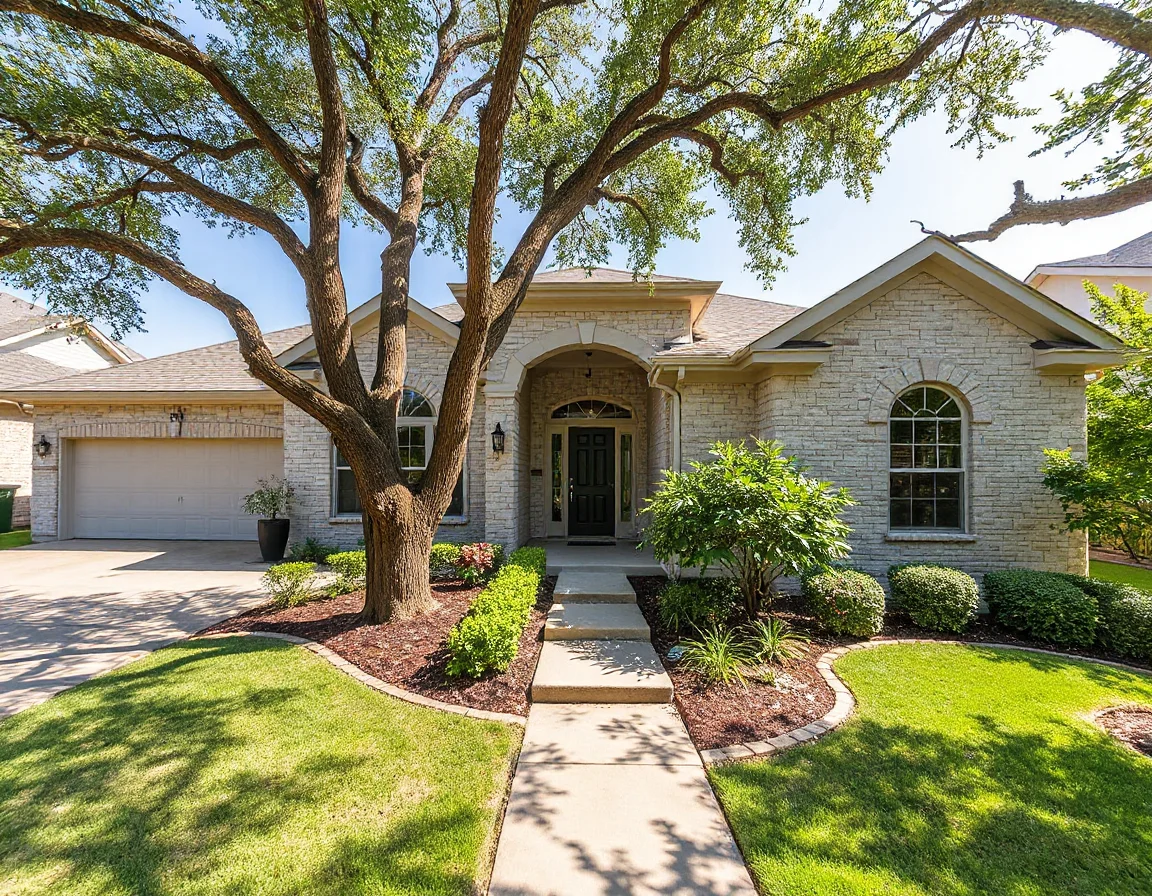
Renting can be a useful choice when flexibility is the priority. A lease may make it easier to change locations for work, education, caregiving, or a different daily routine without preparing a property for sale. It can also simplify some maintenance responsibilities, since many repairs are handled by the property owner or management team. Before signing, however, review the full lease: renewal terms, pet policies, parking, utility responsibilities, renter’s insurance, deposits, and any fees that may affect the true monthly cost.
Buying offers a different set of advantages. Homeowners can personalize their space within applicable rules, build equity over time when market conditions cooperate, and avoid the uncertainty of lease renewal pricing. Yet ownership also includes responsibilities that do not appear in a monthly principal-and-interest estimate: property taxes, insurance, maintenance, HOA dues when applicable, repairs, and potential utility costs. A purchase is usually strongest when the buyer has room in the budget for both the expected payment and the unexpected expense.
A monthly housing number is only useful when it includes the full picture: rent or mortgage, utilities, insurance, taxes, maintenance reserves, parking, HOA dues, and move-in costs.
In a region that continues to add employment centers, road projects, retail corridors, and new construction, the right choice can also vary from one neighborhood to another. A rental near a major commute route may be worth considering while you learn which areas fit your schedule. A home purchase may make more sense once you have identified the locations, property types, and features that matter most to you.
Compare the Upfront Costs Honestly
The first major difference between renting and buying is the amount of cash needed before move-in. Renters commonly plan for an application fee, security deposit, first month’s rent, moving costs, utility setup, and renter’s insurance. Some communities may require additional deposits or charge amenity, parking, or administrative fees. These amounts can still be significant, so asking for a written fee schedule is a practical step before committing.
Buyers generally need to prepare for earnest money, inspections, appraisal-related costs when required, lender fees, title services, prepaid taxes and insurance, and closing costs. The down payment is important, but it is not the only number to plan for. Loan programs vary, and a lender can explain the options available based on your financial profile. A buyer should also keep cash reserves after closing rather than putting every available dollar into the transaction.
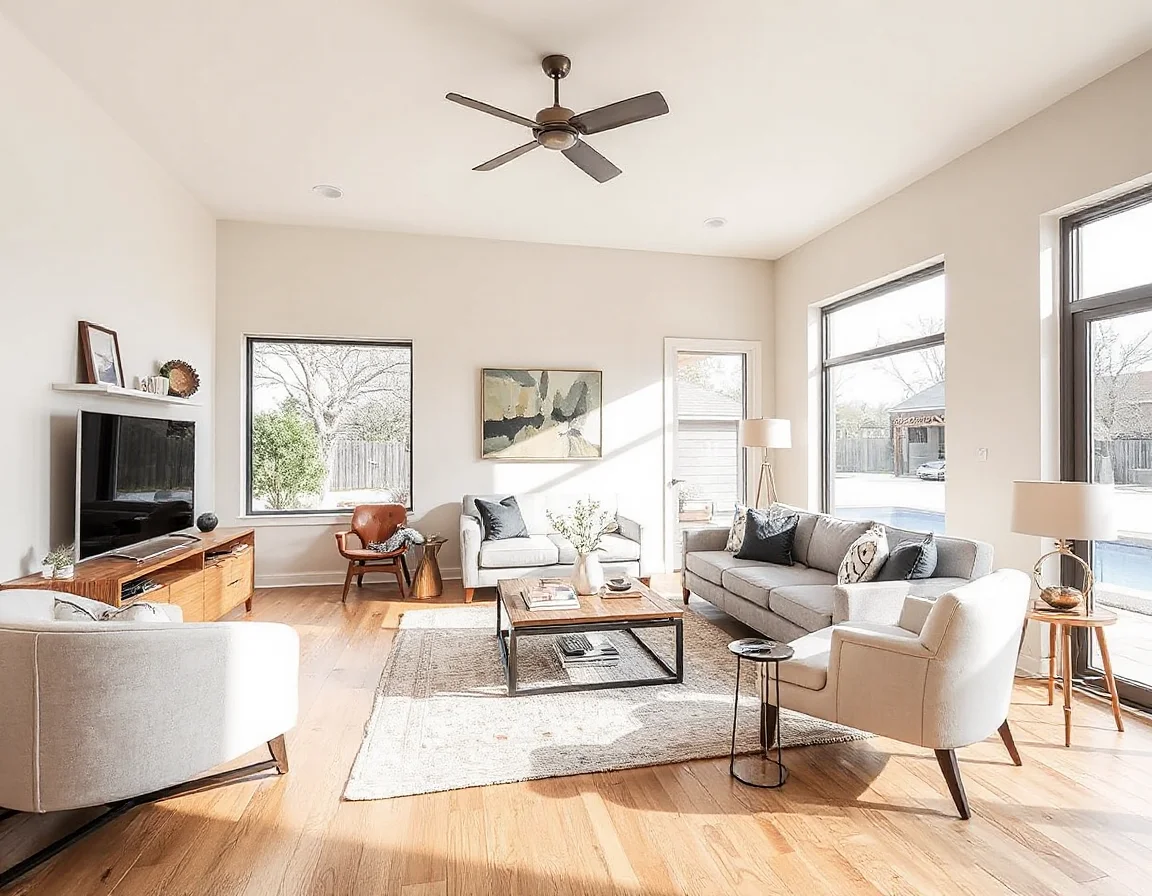
It helps to separate funds into three categories: money needed to move, money needed to close, and money reserved after the move. This approach can make the decision less emotional and more useful. For example, a lower down payment may preserve flexibility for repairs, furnishings, or an emergency fund, while a larger down payment may reduce the loan amount. There is no universal best answer; the right structure depends on the buyer’s comfort level, loan terms, and overall financial plan.
Current market conditions also matter. Interest rates, available inventory, seller concessions, new-construction incentives, and rental supply can shift over time. Instead of waiting for a supposedly perfect moment, compare current options with your own timeline. Look at actual listings, active rental availability, and total monthly estimates. A local real estate professional and a qualified lender can help turn broad market headlines into numbers that are relevant to your search.
Explore available Central Texas homes
Think Beyond the First Year
A rental decision is often measured in lease terms, while a purchase should be evaluated over a longer horizon. Selling a home soon after buying can involve transaction costs that reduce the financial benefit of ownership. That does not mean a short ownership period is always a poor choice, but it does mean buyers should consider possible changes in job location, household budget, and housing needs before moving forward.
For renters, the long-term question is whether annual rent increases could affect the budget and whether the property will continue to meet practical needs. For buyers, the question is whether the home’s layout, location, maintenance demands, and carrying costs remain workable over several years. Both paths benefit from a realistic review of the future, including commute patterns, storage needs, outdoor space preferences, access to services, and desired proximity to parks, trails, or community gathering places.
Central Texas also includes varied property tax rates, municipal utility structures, school district boundaries, HOA requirements, and development patterns. These are objective details worth researching property by property. Two homes with similar list prices can have noticeably different monthly ownership costs because of taxes, insurance, HOA dues, or condition. Similarly, two rental homes with identical advertised rent can differ in utility arrangements, parking, appliance packages, and renewal terms.
When comparing two properties, request the details that affect recurring costs before making a decision—not after: tax estimate, HOA dues, insurance quote, utility setup, lease fees, and known maintenance items.
Use a Central Texas Search Strategy That Fits Your Goals
Whether you rent or buy, a focused search saves time. Begin by ranking your priorities rather than trying to find a property that does everything. You might place monthly cost first, followed by commute time, number of bedrooms, outdoor space, access to transit, building age, or the ability to make updates. Knowing which features are essential, preferred, and optional makes it easier to compare homes without getting distracted by a single impressive finish or amenity.
For a purchase, review recently sold comparable homes as well as active listings. Active listings show the current competition; recent sales help provide context for what buyers have paid. For a rental, compare not only advertised rates but also concessions, lease duration, included services, and move-in dates. In both cases, visit at different times of day when possible, observe the route you would regularly travel, and ask clear questions about the property’s condition and recurring costs.
Dash Realty serves consumers across multiple Texas markets and can help organize a search around the details that matter to you. The goal is not to push every renter into buying or every buyer toward a lease. It is to provide a structured comparison, explain the transaction steps, and help you act when the numbers and timing align with your plans.
Talk through your rent-versus-buy options
Confidence Comes From Clear Numbers and Practical Expectations
Renting may provide useful flexibility and a more defined set of maintenance responsibilities. Buying may offer stability, personalization, and the opportunity to build equity, while also requiring planning for costs beyond the loan payment. Both choices can be sensible when they support your financial comfort, expected timeline, and preferred way of living.
Take the pressure out of the comparison by gathering real numbers, reviewing properties in the areas that interest you, and setting a budget with room to breathe. Central Texas has enough variety that a thoughtful search can uncover options on either side of the decision. The most confident next step is the one based on your goals, your full monthly picture, and a clear understanding of what each home will ask of you after move-in.