
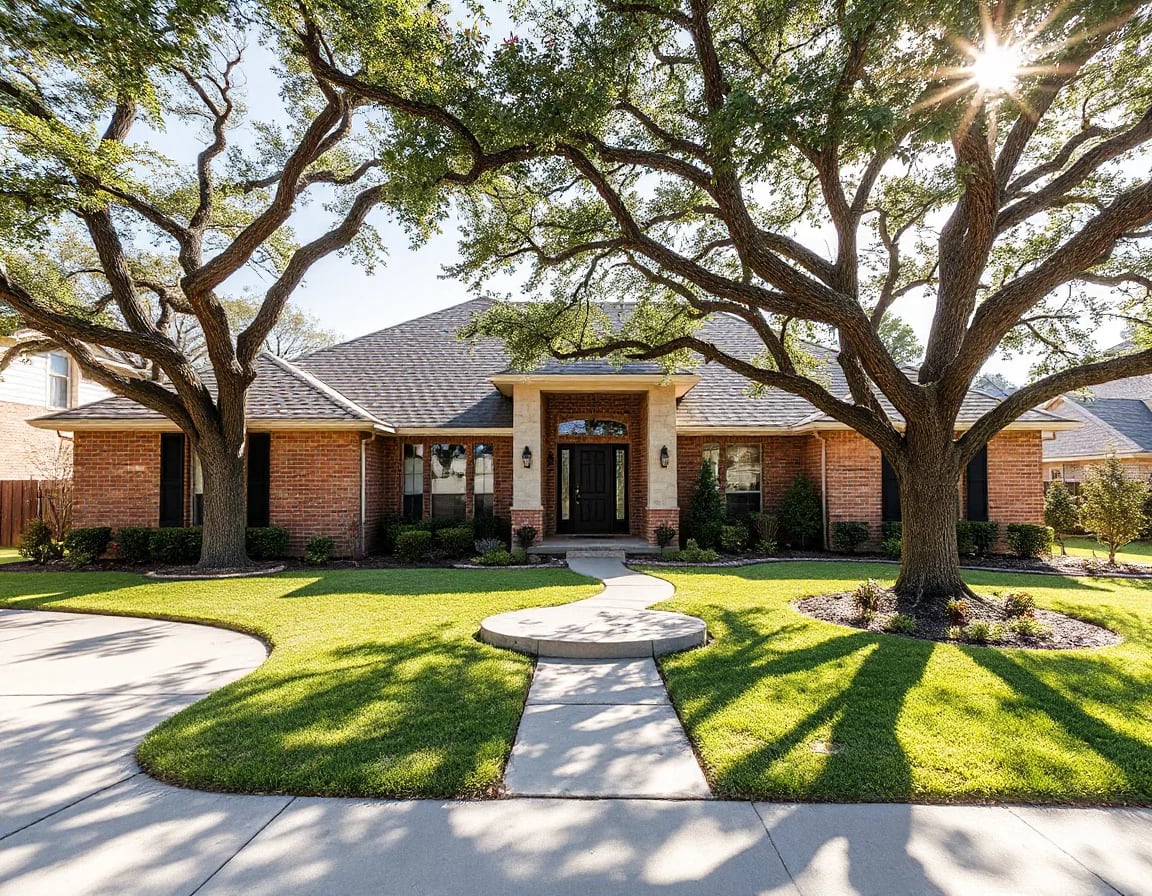
Before photography, showings, and offer deadlines, the small details can shape a buyer’s first impression of your Georgetown home. These six pre-listing fixes focus on the areas people notice quickly—curb appeal, light, maintenance signals, and the rooms that help buyers understand how a home lives. A focused plan can help your property present clearly without turning preparation into a full renovation project.
Start With the Details That Set the Tone
Preparing a home for sale is not about making it look like someone else’s house. It is about helping buyers see the property’s condition, layout, and potential without being distracted by unfinished maintenance. In Georgetown, where buyers may compare established neighborhoods, newer construction, historic character, and homes with outdoor living space, presentation can make the comparison easier. The goal is simple: address the items that are visible, memorable, and likely to prompt questions during a showing.
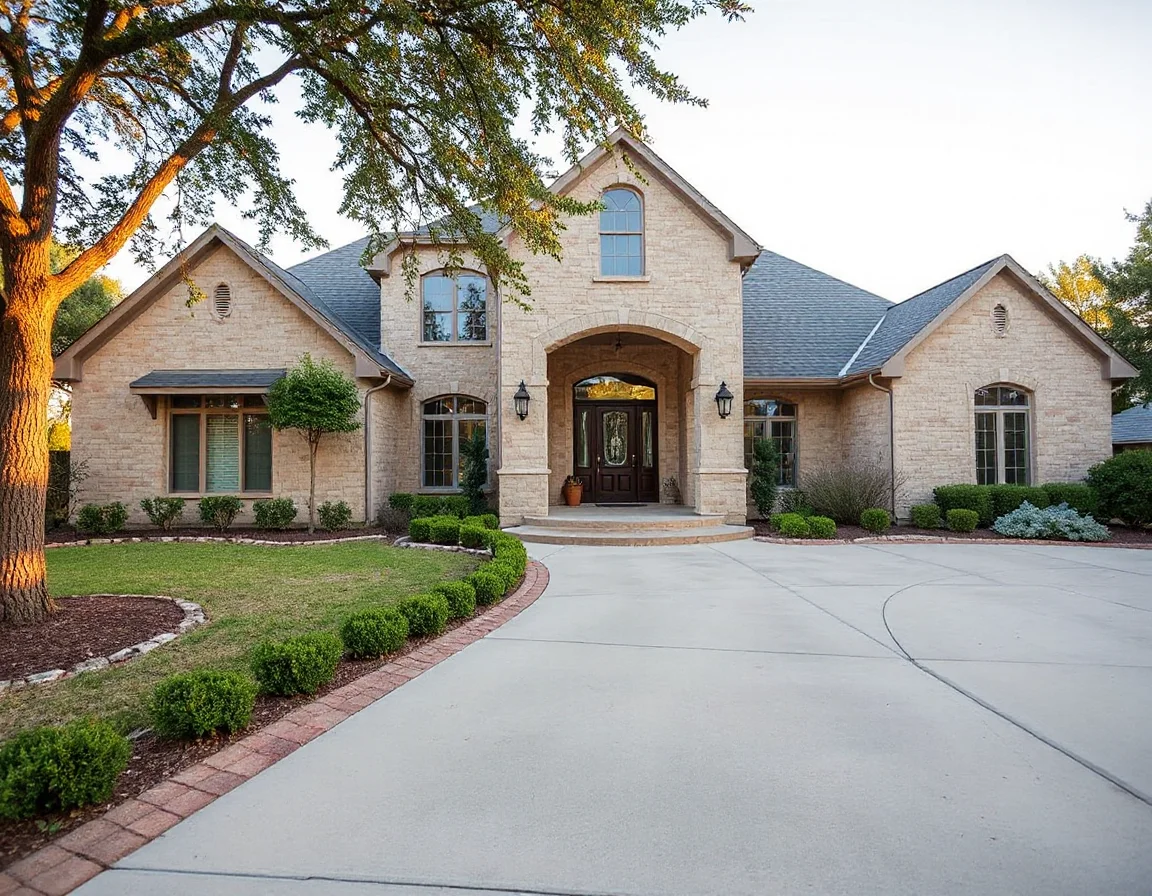
1. Refresh the front approach. Buyers begin forming an impression before they reach the front door. Walk the route from curb to entry and look for easy improvements: overgrown shrubs, loose edging, stained concrete, faded house numbers, a tired welcome mat, or cobwebs around the porch light. Trim plantings so windows and pathways are visible, sweep hard surfaces, and replace burned-out bulbs. A clean, maintained entry does not need elaborate landscaping; it needs to feel intentional.
2. Repair the small things that suggest deferred maintenance. A dripping faucet, loose cabinet pull, sticking interior door, cracked switch plate, or missing caulk line may be inexpensive to fix, but each one can make a larger maintenance issue feel possible. Create a room-by-room list and complete straightforward repairs before photos. If a project is beyond a simple repair, gather documentation, receipts, or contractor information so you can make an informed decision about whether to address it before listing.
3. Let natural light do more of the work. Clean windows inside and out where accessible, dust blinds, and remove heavy items that block key windows. Replace mismatched or dim bulbs with consistent warm-white lighting, especially in hallways, bathrooms, and rooms without many windows. During showings, open shades and curtains to emphasize the home’s scale and connection to outdoor areas. Light is one of the fastest ways to make rooms feel more legible in person and in listing photography.
A buyer may not remember every paint color, but they often remember whether a home felt cared for, bright, and easy to evaluate from the first few minutes of a showing.
Focus Your Effort on Kitchens, Baths, and Surfaces
Some updates have a larger visual impact because they appear repeatedly in listing photos and are closely inspected during tours. That does not automatically mean a complete remodel is the right move. Often, cleaning, repairs, neutral touch-ups, and a few coordinated replacements can create a more polished result while keeping the preparation budget in proportion to the home and current market conditions.
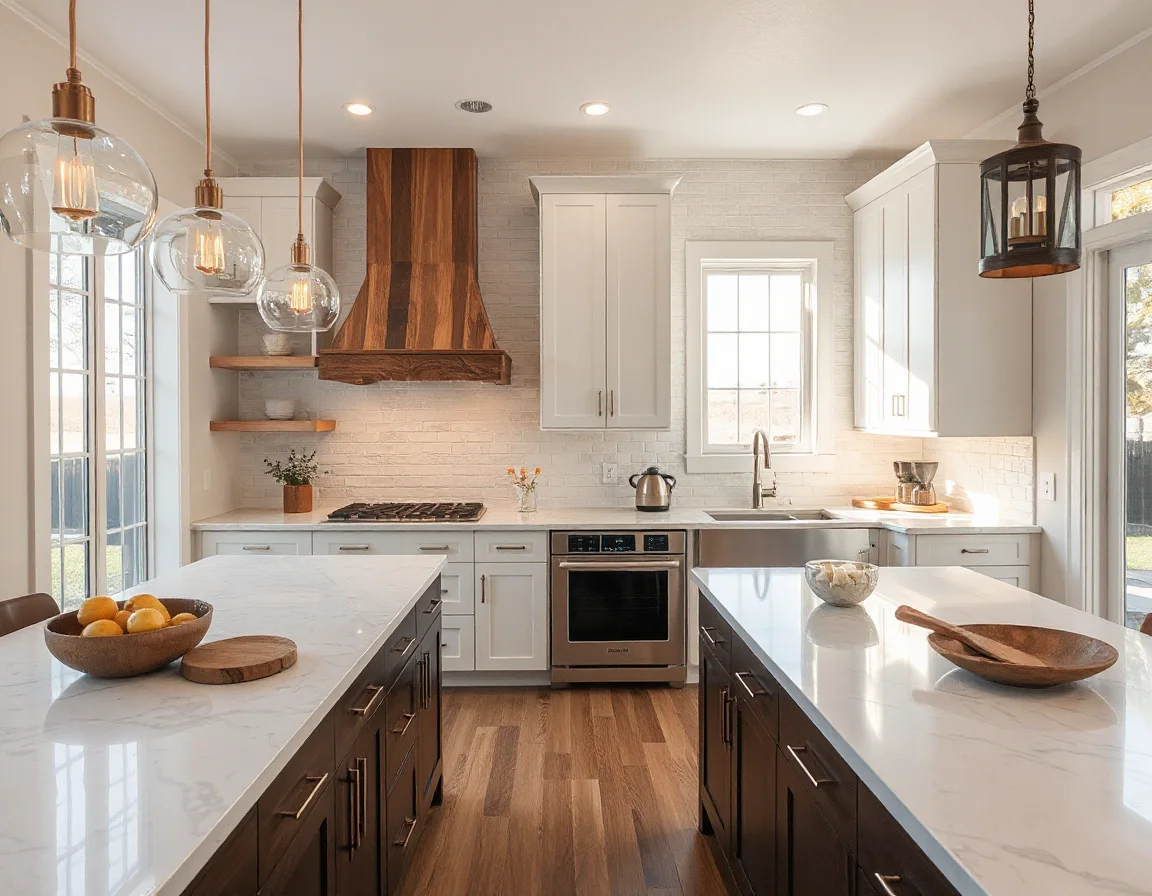
4. Deep-clean the kitchen and simplify the counters. Kitchens are workspaces, gathering spaces, and photo focal points, so clarity matters. Clean appliance fronts, degrease the range hood, polish the sink, and make sure cabinet doors align and close properly. Clear daily-use items from counters, leaving only a few purposeful accents if desired. Pantry shelves, drawers, and under-sink storage also deserve attention; buyers frequently open them to understand storage capacity. A neat, functional kitchen communicates more than a collection of decorative accessories ever could.
5. Give bathrooms a maintenance-minded refresh. Replace discolored caulk, clean grout, fix slow drains, tighten towel bars, and remove products from vanities, tubs, and shower ledges. Fresh towels, a clean mirror, and matching light temperatures can elevate the room immediately. If paint is chipped or a vanity light has corroded, a targeted update may be worthwhile. Avoid adding trends solely for the sale; clean lines and working fixtures usually provide the most dependable return in how the room is perceived.
6. Patch, paint, and neutralize the visual noise. Walls carry evidence of everyday life: nail holes, scuffs near doorways, marks behind furniture, and touch-up patches that do not quite match. Repairing these details and applying paint where needed can make a substantial difference. Choose a cohesive, broadly appealing color palette rather than attempting to predict every buyer’s taste. Remove personal collections, excess furniture, and bulky window treatments that obscure the room’s dimensions. The purpose is not to erase personality—it is to make the home’s features easier to see.
Before committing to a major update, compare its likely cost with the benefit of a clean, documented, move-in-ready presentation. Strategic repairs often matter more than a rushed renovation.
Prepare for the Questions Behind the Showing
Visual preparation is only one part of a thoughtful pre-listing plan. Buyers also notice how a home functions. Test smoke and carbon monoxide alarms where applicable, check that ceiling fans and garage doors operate smoothly, replace HVAC filters, and confirm that outdoor faucets, irrigation controls, gates, and exterior lighting are in working order. If you have recent service records for major systems, organize them in one place. Clear information can help reduce uncertainty when buyers are comparing several properties.
Outdoor spaces deserve the same attention as interiors. In Georgetown’s warm-weather months, patios, porches, yards, and shaded areas can be important extensions of the home. Sweep the patio, remove worn planters and unused equipment, clean outdoor furniture, and make sure gates latch correctly. If the property includes a pool, spa, or outdoor kitchen, consider a professional cleaning and confirm that visible equipment areas are orderly. These steps help buyers focus on how the space can be used rather than on a weekend’s worth of chores.
It is also helpful to plan the listing timeline before the home is photo-ready. A local real estate professional can help you prioritize repairs, identify improvements that may not be necessary, coordinate photography timing, and compare your property with current Georgetown competition. Pricing and preparation work best together: a beautifully prepared home should still be positioned with an understanding of active listings, recent sales, condition, location, and buyer activity at the time it reaches the market.
Make the First Impression Easier to Say Yes To
A successful pre-listing plan is not measured by how much you spend. It is measured by whether buyers can walk through the home, understand its strengths, and feel confident that it has been maintained with care. Start with the front approach, complete visible repairs, brighten the rooms, clean high-impact spaces, and organize the practical details that support the story your home tells.
Dash Realty can help sellers build a focused preparation checklist based on the property, the desired timeline, and current market context. Whether the best next step is a few days of touch-ups or a more detailed discussion about pricing and presentation, thoughtful preparation can help your Georgetown listing enter the market looking its best.